
If you’re downsizing to stay safe and independent, prioritize single-level living (or main-floor essentials), step-free entry, safer bathrooms, and simple “low-effort”&

Dated: October 2 2024
Views: 49
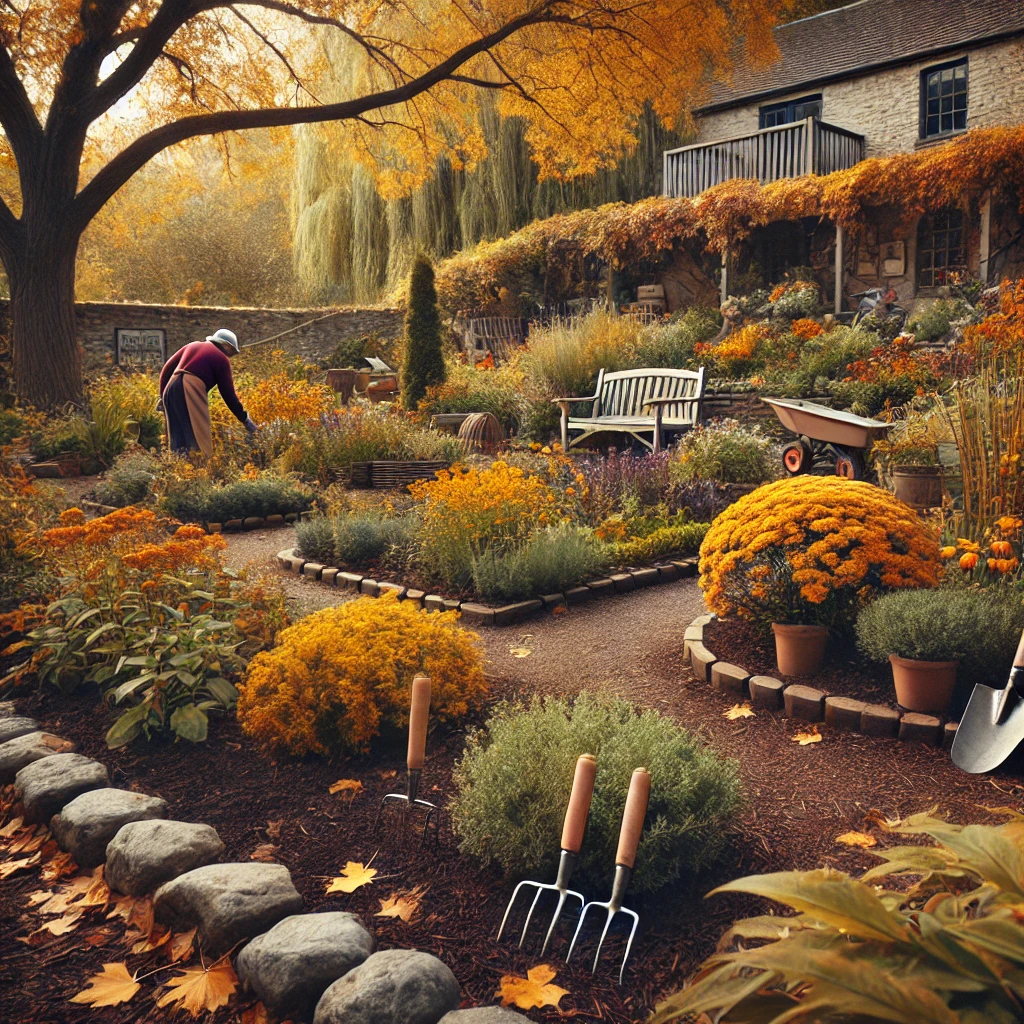
As the vibrant colors of autumn begin to fade and the crisp chill of winter approaches, it’s time to turn your attention to preparing your garden for the colder months. A well-executed fall cleanup not only ensures that your garden looks tidy through the winter but also sets the stage for a healthy, thriving landscape come spring. Whether you’re a seasoned gardener or just starting out, here are some essential tips to help you prepare your Waterloo garden for winter.
One of the first steps in fall garden cleanup is removing dead or dying plants. Annuals, vegetables, and any spent perennials should be pulled out and composted if they are disease-free. Leaving these plants in the garden can invite pests and diseases to overwinter, leading to potential problems in the spring.
As you clean up, don’t forget to clear away any fallen leaves or debris from your garden beds. While a light layer of leaves can provide some insulation, too much debris can create a haven for pests and fungus. Raking leaves off your lawn is also important to prevent them from smothering the grass and causing brown patches.
Mulching is one of the most beneficial tasks you can do for your garden as winter approaches. A thick layer of mulch helps regulate soil temperature, retain moisture, and protect plant roots from the freezing temperatures. It also prevents soil erosion and suppresses weeds that might emerge in the early spring.
Spread a 2-3 inch layer of mulch around your perennials, shrubs, and trees. Be sure to keep the mulch a few inches away from the base of plants to prevent rot. Organic mulches like shredded leaves, straw, or wood chips are excellent choices that will break down over time, adding nutrients to the soil.
Perennials are the backbone of many gardens, and they need a bit of care before winter sets in. After the first frost, cut back perennials to about 3-4 inches above the ground. This helps prevent disease and tidy up the garden’s appearance. However, some perennials, like coneflowers and ornamental grasses, can be left standing for winter interest and to provide food and habitat for birds.
Consider dividing and transplanting any overcrowded perennials. Fall is an excellent time for this, as the cooler temperatures and increased rainfall help new divisions establish strong roots before the ground freezes.
Fall is the perfect time to plant spring-blooming bulbs like tulips, daffodils, and crocuses. These bulbs need the cold winter months to trigger their blooming cycle, and planting them in the fall ensures a colorful display in the spring.
Choose a sunny location with well-draining soil, and plant the bulbs at the appropriate depth—typically three times the height of the bulb. For a natural look, scatter the bulbs across the planting area and plant them where they fall. Water the bulbs well after planting, and then cover them with a layer of mulch for added protection.
Winter can be harsh on young trees and shrubs, especially when they’re exposed to heavy snow, ice, and fluctuating temperatures. To protect them, consider wrapping the trunks of young trees with burlap or tree wrap to prevent sunscald and frost cracks.
For evergreens, particularly those susceptible to winter burn, consider applying an anti-desiccant spray. This helps reduce moisture loss from the leaves during the dry, cold months. If heavy snow is in the forecast, gently tie up the branches of your shrubs to prevent them from breaking under the weight.
Don’t forget to take care of your garden tools and equipment as part of your fall cleanup. Clean and sharpen your tools, and apply a light coat of oil to prevent rust. If you have a lawnmower or other gas-powered equipment, run them until the gas tank is empty to avoid engine problems in the spring.
Store your tools, hoses, and other equipment in a dry, protected place. Drain and store garden hoses to prevent them from freezing and cracking. Properly caring for your tools now will extend their lifespan and ensure they’re ready to go when you need them next year.
As you wind down your fall garden tasks, take a moment to reflect on this year’s garden. What worked well? What challenges did you face? Consider jotting down some notes to help with planning for the next growing season. Whether it’s rotating crops, trying new plant varieties, or redesigning a garden bed, a little planning now can lead to even greater success in the spring.
Preparing your Waterloo garden for winter might seem like a lot of work, but the effort you put in now will pay off in the months to come. By cleaning up, mulching, protecting your plants, and caring for your tools, you’re not just winterizing your garden—you’re investing in its future health and beauty. So, grab your gloves, enjoy the crisp fall air, and take satisfaction in knowing that you’re giving your garden the best possible start for the year ahead. Come spring, you’ll be greeted by a landscape that’s ready to burst into life, thanks to the care you took this fall.

Looking to right-size your home or find your dream property in the Waterloo Region? With 37+ years of proven success, Mark O'Krafka delivers results you can trust—every time. A 4th-generation Water....
If you’re downsizing to stay safe and independent, prioritize single-level living (or main-floor essentials), step-free entry, safer bathrooms, and simple “low-effort”&
Clear, calm guidance on right-sizing vs downsizing in Waterloo Region—questions, timelines, common mistakes, and next steps.Right-sizing is about fitting your home to your life&mdash
10-Day Cooling-Off Period for New Freehold Home Purchases: Delayed to 2027Quick AnswerOntario’s 10-day cooling-off period for new freehold home purchase agreements is now expected to start
Discovering Kitchener’s Best NeighbourhoodsKitchener, Ontario, is a city that blends vibrant urban life with peaceful suburban living, making it a top choice for families, professionals, and
 Toronto Real Estate Board (TRREB); All information deemed reliable but not guaranteed. All properties are subject to prior sale, change or withdrawal. Neither listing broker(s) or information provider(s) shall be responsible for any typographical errors, misinformation, misprints and shall be held totally harmless. Listing(s) information is provided for consumer's personal, non-commercial use and may not be used for any purpose other than to identify prospective properties consumers may be interested
in purchasing. The data relating to real estate for sale on this website comes in part from the Internet Data Exchange program of the Multiple Listing Service. Real estate listings held by brokerage firms other than Team O'Krafka may be marked with the Internet Data Exchange logo and detailed information about those properties will include the name of the listing broker(s) when required by the MLS. Copyright ©2026 All rights reserved.
Last Updated: September 27, 2026 6:31 PM UTC
Show More...
Toronto Real Estate Board (TRREB); All information deemed reliable but not guaranteed. All properties are subject to prior sale, change or withdrawal. Neither listing broker(s) or information provider(s) shall be responsible for any typographical errors, misinformation, misprints and shall be held totally harmless. Listing(s) information is provided for consumer's personal, non-commercial use and may not be used for any purpose other than to identify prospective properties consumers may be interested
in purchasing. The data relating to real estate for sale on this website comes in part from the Internet Data Exchange program of the Multiple Listing Service. Real estate listings held by brokerage firms other than Team O'Krafka may be marked with the Internet Data Exchange logo and detailed information about those properties will include the name of the listing broker(s) when required by the MLS. Copyright ©2026 All rights reserved.
Last Updated: September 27, 2026 6:31 PM UTC
Show More...
 Data provided by the Ontario Regional Technology & Information Systems. The information is deemed reliable, but is not guaranteed. Not intended to solicit buyers or sellers, landlords or tenants currently under contract.
The trademarks REALTOR®, REALTORS® and the REALTOR® logo are controlled by The Canadian Real Estate Association (CREA) and identify real estate professionals who are members of CREA. The trademarks MLS®, Multiple Listing Service® and the associated logos are owned
by CREA and identify the quality of services provided by real estate professionals who are members of CREA. Used under license.
REALTOR® contact information provided to facilitate inquiries from consumers interested in Real Estate services. Please do not contact the website owner with unsolicited commercial offers.
Show More...
Data provided by the Ontario Regional Technology & Information Systems. The information is deemed reliable, but is not guaranteed. Not intended to solicit buyers or sellers, landlords or tenants currently under contract.
The trademarks REALTOR®, REALTORS® and the REALTOR® logo are controlled by The Canadian Real Estate Association (CREA) and identify real estate professionals who are members of CREA. The trademarks MLS®, Multiple Listing Service® and the associated logos are owned
by CREA and identify the quality of services provided by real estate professionals who are members of CREA. Used under license.
REALTOR® contact information provided to facilitate inquiries from consumers interested in Real Estate services. Please do not contact the website owner with unsolicited commercial offers.
Show More...
 All information deemed reliable but not guaranteed. All properties are subject to prior sale, change or withdrawal. Neither listing broker(s) or information provider(s) shall be responsible for any typographical errors, misinformation, misprints and shall be held totally harmless. Listing(s) information is provided for consumer's personal, non-commercial use and may not be used for any purpose other than to identify prospective properties consumers may be interested in purchasing. The data relating
to real estate for sale on this website comes in part from the Internet Data Exchange program of the Multiple Listing Service. Real estate listings held by brokerage firms other than Team O'Krafka may be marked with the Internet Data Exchange logo and detailed information about those properties will include the name of the listing broker(s) when required by the MLS. Copyright ©2026 All rights reserved.
Last Updated: September 27, 2026 8:55 AM UTC
Show More...
All information deemed reliable but not guaranteed. All properties are subject to prior sale, change or withdrawal. Neither listing broker(s) or information provider(s) shall be responsible for any typographical errors, misinformation, misprints and shall be held totally harmless. Listing(s) information is provided for consumer's personal, non-commercial use and may not be used for any purpose other than to identify prospective properties consumers may be interested in purchasing. The data relating
to real estate for sale on this website comes in part from the Internet Data Exchange program of the Multiple Listing Service. Real estate listings held by brokerage firms other than Team O'Krafka may be marked with the Internet Data Exchange logo and detailed information about those properties will include the name of the listing broker(s) when required by the MLS. Copyright ©2026 All rights reserved.
Last Updated: September 27, 2026 8:55 AM UTC
Show More...
 All information deemed reliable but not guaranteed. All properties are subject to prior sale, change or withdrawal. Neither listing broker(s) or information provider(s) shall be responsible for any typographical errors, misinformation, misprints and shall be held totally harmless. Listing(s) information is provided for consumer's personal, non-commercial use and may not be used for any purpose other than to identify prospective properties consumers may be interested in purchasing. The data relating
to real estate for sale on this website comes in part from the Internet Data Exchange program of the Multiple Listing Service. Real estate listings held by brokerage firms other than Team O'Krafka may be marked with the Internet Data Exchange logo and detailed information about those properties will include the name of the listing broker(s) when required by the MLS. Copyright ©2026 All rights reserved.
Last Updated: September 27, 2026 7:07 PM UTC
Show More...
All information deemed reliable but not guaranteed. All properties are subject to prior sale, change or withdrawal. Neither listing broker(s) or information provider(s) shall be responsible for any typographical errors, misinformation, misprints and shall be held totally harmless. Listing(s) information is provided for consumer's personal, non-commercial use and may not be used for any purpose other than to identify prospective properties consumers may be interested in purchasing. The data relating
to real estate for sale on this website comes in part from the Internet Data Exchange program of the Multiple Listing Service. Real estate listings held by brokerage firms other than Team O'Krafka may be marked with the Internet Data Exchange logo and detailed information about those properties will include the name of the listing broker(s) when required by the MLS. Copyright ©2026 All rights reserved.
Last Updated: September 27, 2026 7:07 PM UTC
Show More...